

Neck tension - what helps: Exercises and tips for immediate relief

When you have a stiff neck, the central question is: what helps? An effective strategy combines targeted movement, heat, and important adjustments to your workplace. The key is not just to treat symptoms, but to understand the causes. Only then can recurring pain be controlled in the long term.
Identifying the Causes of Neck Tension
Neck tension rarely occurs by chance. It is usually the result of habits that have developed over months or years. Your body sends a clear signal with the pain that something is out of balance.

The first step to improvement is identifying the triggers. Knowing the root of the problem allows you to take targeted and sustainable countermeasures.
The Workplace as a Primary Trigger
The most common cause of neck problems is poor posture at a desk. Hours of rigid sitting with the head tilted forward systematically overstrains the cervical spine and surrounding muscles.
The human head weighs about five kilograms. In an upright and neutral position, the spine effortlessly carries this weight. As soon as you tilt your head forward to look at a monitor that is too low or a smartphone, the forces on the neck increase significantly.
At a tilt of just 15 degrees, 12 kilograms are already resting on your cervical spine. At an angle of 45 degrees, the typical view of a mobile phone, it is up to 22 kilograms.
This phenomenon, also known as "Tech Neck", is a central cause of tension in the modern working world. A study shows that the daily sitting time of adults on weekdays has increased from 7.5 hours (2015) to 9.2 hours (2022). This increase of 22.6 percent promotes neck problems.
Stress and Psychological Tension
Another significant factor is psychological stress. Under pressure, many people unconsciously hunch their shoulders and clench their teeth. This constant, often unnoticed muscle activity leads to hardening in the neck and shoulder area.
This is a physical stress response that prepares the body for a "fight or flight" situation. In everyday office life, this tension is not released and becomes chronic.
Other Influencing Factors at a Glance
The following table shows the most common triggers for neck pain and explains their direct impact on your muscles.
Main Causes of Neck Tension and Their Consequences
| Cause | Description | Direct impact on the neck |
|---|---|---|
| Poor working posture | Hours of sitting with head bent forward ("Tech Neck"), incorrect screen height. | Extreme strain on the cervical spine, leading to chronically cramped neck and shoulder muscles. |
| Psychological stress | Unconscious hunching of shoulders and clenching of jaw muscles under pressure. | The muscles harden, blood circulation is reduced, which can lead to painful trigger points. |
| Lack of exercise | An inactive lifestyle weakens the supportive core and neck muscles. | Weakened muscles are more susceptible to overuse and can no longer perform their supportive function. |
| Unfavorable sleeping position | Sleeping on your stomach or with an unsuitable pillow twists the cervical spine. | Muscles and ligaments are overstretched or compressed overnight, leading to a "stiff neck" in the morning. |
| Drafts or cold | Cold air directly on the neck causes the muscles to contract reflexively. | The sudden, involuntary tension leads to painful blockages and hardening. |
| Jaw problems (CMD) | Nighttime teeth grinding (bruxism) or a misalignment of the jaw (Craniomandibular Dysfunction). | Tension from the jaw muscles radiates directly into the neck, causing tension there. |
A magnesium deficiency can also increase muscle tension. Understanding these connections allows you to tackle the problem at its root and provide lasting relief.
What Helps Immediately with Acute Neck Pain
When your neck hurts and every movement becomes difficult, quick relief is needed. There are proven immediate measures that can help without painkillers.

These techniques can be easily implemented, many of them directly at your desk. Their goal is to break the cycle of pain and further tension.
Using Heat Specifically for Relaxation
For muscular tension, heat is often the best first aid. Heat stimulates blood circulation in the tissue. This brings more oxygen and nutrients to the hardened muscles and metabolic waste products are transported away more quickly.
The result: the muscle fibers relax and the pain subsides.
These heat applications are proven:
- Cherry pit or spelt pillows: They store heat for a long time and release it evenly. Heat the pillow in the microwave or oven and place it on the tense neck and shoulder area for 15 to 20 minutes.
- Hot water bottle: A proven remedy. Wrap the bottle in a towel to protect your skin.
- Warm bath or shower: A hot shower can be very effective. Direct the water jet specifically onto your neck and shoulders. A relaxing full bath loosens the entire body musculature.
Heat is ideal for muscle hardening and chronic tension. It promotes relaxation and relieves dull pain.
Cold as an Alternative for Inflammation
Although heat is usually the first choice, there are exceptions. Cold is the better option if neck pain is due to acute inflammation or a fresh injury.
Cold causes blood vessels to constrict. This reduces swelling and dulls the pain by temporarily reducing the activity of nerve endings.
A cold pack, always wrapped in a thin cloth, should be placed on the painful area for a maximum of 10 to 15 minutes. Longer applications should be avoided to prevent tissue damage.
Self-Massage for Releasing Trigger Points
Another effective method is self-massage. This allows you to treat painful muscle knots, so-called trigger points, directly.
Instructions for self-massage with your fingers:
- Sit upright, shoulders relaxed.
- Reach with your right hand over your left shoulder towards your neck muscles.
- Feel the area between your cervical spine and shoulder blade with your fingertips. Look for small, hardened areas that are sensitive to pressure.
- Apply gentle but constant pressure to this point. Hold the pressure for 30 to 60 seconds, breathing deeply and calmly.
- Slowly release the pressure and switch sides.
For hard-to-reach areas or for more pressure, a small massage ball is suitable. Stand with your back to the wall, clamp the ball between the wall and your neck muscles, and move slowly up and down.
These immediate measures often bring quick relief but are not a permanent solution. They combat the symptoms, but not the cause.
Practical Exercises for a Mobile and Strong Neck
Lasting pain relief is achieved through a combination of mobility and stability. Targeted exercises are essential for this.

You can easily integrate this simple program into your daily work routine.
Gentle Mobilization Exercises for Immediate Relief
First, we gently mobilize the cervical spine and the surrounding muscles. This loosens blockages, stimulates blood circulation, and improves joint mobility.
Perform all movements slowly and controlled.
- Gentle head tilt to the side: Sit upright, shoulders relaxed. Slowly tilt your head to the right, as if you wanted to touch your shoulder with your ear. Hold the position for about 20 seconds and feel the gentle stretch on the left side of your neck. Slowly return to the center and repeat the exercise on the left side.
- The "Nodding Movement" (Chin to Chest): Start in an upright posture. Slowly lower your chin towards your sternum until you feel a pleasant stretch in your neck. Keep your back straight. Hold the position for 20 seconds and then slowly raise your head again.
- The Shoulder Glance: Slowly turn your head to the right, as if looking over your shoulder. Go only as far as feels good. Hold the final position for approx. 15 seconds and then switch to the other side.
These three exercises are great for a short break at your desk.
Targeted Strengthening for Lasting Stability
Tense muscles are often also weakened. Weak neck muscles cannot support the head properly, which leads to poor posture and new tension.
Isometric exercises are ideal here. You build muscle tension without performing a visible movement. You work against a resistance that you create yourself with your hands. This protects the joints and trains the deep stabilizing muscles.
Isometric Exercises for the Neck
For each exercise, maintain light to medium pressure for 10 seconds. Repeat the exercise three times per side or direction.
- Resistance forward: Place one hand flat on your forehead. Gently push your head forward while your hand catches the pressure. Your head does not move.
- Resistance backward: Interlace your hands behind your head. Gently push your head backward against the resistance of your hands. Keep your head and neck in a straight line.
- Resistance to the side: Place your right hand on the side of your head, just above your ear. Gently push your head to the right while your hand resists. Repeat the exercise on the left side.
The key is not maximum strength, but constant, controlled tension. You teach your muscles to actively stabilize your head in a healthy, neutral position again.
Don't Forget Your Shoulders
A tense neck is rarely an isolated problem. Often the entire shoulder girdle is affected. Shoulder circles are a simple and effective exercise.
Sit upright, let your arms hang loosely. Slowly pull your shoulders up towards your ears, then push them far back, and finally let them relax downwards. Repeat this circular motion ten times backward and then ten times forward.
This exercise immediately releases noticeable tension and breaks the rigid sitting posture at the desk.
Regular exercises create a new muscular balance. Your neck becomes more mobile and stronger. In our guide, you will find more effective neck exercises for neck pain.
Set Up Your Workplace Ergonomically and Avoid Tension
Your workplace is often the cause of recurring neck tension. Ergonomic setup is therefore a necessity for your health. Incorrect posture forces your muscles into an unnatural position for hours, leading to hardening.

With targeted adjustments, you can design your setup in such a way that a neutral, relaxed body posture becomes natural.
It All Starts with Proper Sitting: Chair Adjustment
Your office chair is the foundation. If it is incorrectly adjusted, it leads to poor posture that directly affects your neck.
These three points are crucial for correct adjustment:
- The correct seat height: Place your feet flat on the floor. Your knees should form an angle of about 90 degrees, while your thighs are parallel to the floor or slightly sloping.
- Optimal seat depth: Slide your bottom all the way back until your back touches the backrest. There should be about three to four fingers' width of space between the back of your knee and the front edge of the seat.
- The right armrest height: Your shoulders should hang loosely and relaxed. Adjust the armrests so that your forearms rest relaxed at a 90-degree angle.
These settings relieve your lower back and prevent you from unconsciously tensing your shoulders.
Monitor and Desk: The Decisive Factors for the Neck
After adjusting the chair, the desk and monitor are crucial. This is often where "tech neck" originates.
The position of your screen is critical. To keep your head in a neutral position, the top edge of your monitor must be at or just below your eye level. If it is too low, you automatically tilt your head forward, which puts enormous strain on your cervical spine.
Do this simple test: Sit upright and close your eyes briefly. When you open them again, your gaze should fall on the upper third of the screen. If not, adjust the height.
A stack of books or a monitor stand can help in the short term. However, the best solution is a flexible work surface.
The Power of Posture Change: Why You Should Stand Up
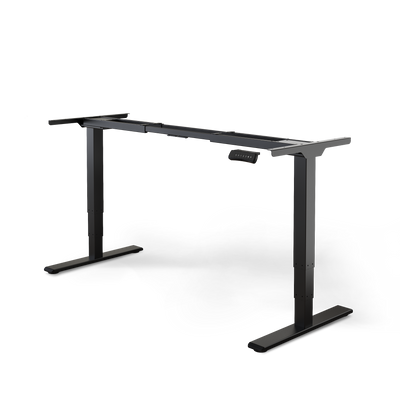
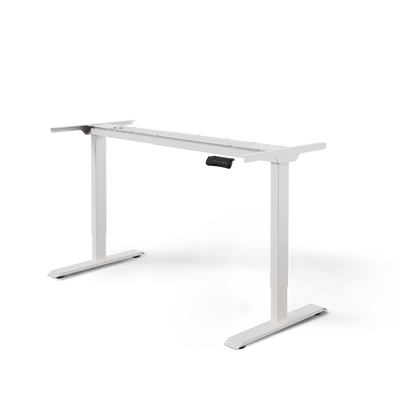
A height-adjustable desk is the most effective tool against rigid sitting. Its advantage is the ability to dynamically switch between sitting and standing.
This change of posture is active prevention.
- Muscle activation: When standing, your core and leg muscles are challenged, which stabilizes your spine.
- Better circulation: The change stimulates blood circulation and also supplies your neck muscles better with nutrients.
- Relief: Every time you stand up, you interrupt the monotonous strain on intervertebral discs and muscles.
Data confirms the need for ergonomic measures. According to the DEGAM-S3 guideline, 46% of people in Germany had neck pain at least once in the last 12 months. In the home office, 73% of employees complain about shoulder and neck pain. The guidelines explicitly recommend variation in posture.
A height-adjustable desk facilitates the implementation of these recommendations. A good rule of thumb is: 40 minutes of dynamic sitting, 15 minutes of standing work, and 5 minutes of active walking around.
Complete Your Setup: The Small Details with Great Impact
The correct alignment of chair, desk, and monitor is the basis. The arrangement of your work tools also plays a role.
Checklist for Your Ergonomic Setup
| Element | Optimal Setting | Why It's Important |
|---|---|---|
| Mouse and Keyboard | Position them so your wrists are straight and shoulders remain relaxed. | Prevents tension that can radiate from the wrist into the neck. |
| Document Holder | Place it between the keyboard and monitor if you often type from templates. | Prevents constant side tilting and turning of the head. |
| Phone/Headset | Always use a headset for longer phone calls. | Clamping the receiver between your ear and shoulder is one of the most harmful habits for your neck. |
An ergonomically designed workplace is your strongest weapon against neck tension. It ensures that a healthy posture becomes the norm. In our article, we show you how to set up your workplace ergonomically.
Stress Management as a Tool Against Neck Tension
Stress is an often underestimated trigger for neck tension. Under pressure, we unconsciously hunch our shoulders, clench our teeth, and our neck muscles stiffen. This section shows you how to break this cycle.
Here you will learn simple stress reduction techniques that you can implement directly at work. The goal is to identify stress symptoms early and counteract them before they become painful tension.
Understanding the Connection Between Stress and Your Neck
Psychological pressure triggers a "fight-or-flight" response. This reaction leads to an involuntary tensing of the muscles, especially in the shoulder and neck area. In everyday office life, we do not release this energy through physical action. The tension remains in the body and can become chronic.
According to a report, two out of three stressed people in Germany suffer from neck pain, while the general stress level has reached a record high. This shows that stress directly affects the neck. You can learn more about these study results on stress and neck pain.
Practical Relaxation Techniques for Everyday Work Life
Short, conscious breaks with targeted exercises can make a big difference and calm your nervous system.
Breathing exercises for immediate calm
A quick and effective method for stress reduction is to control your breathing. A proven technique is 4-7-8 breathing.
- Breathe in calmly through your nose for 4 seconds.
- Hold your breath for 7 seconds.
- Then exhale audibly through your mouth for 8 seconds.
Repeat this cycle three to four times. This exercise activates the parasympathetic nervous system, the part of your nervous system responsible for rest and recovery.
This breathing technique signals to your body that there is no immediate danger. Muscle tension subsides, and your mind becomes clearer.
Progressive Muscle Relaxation at Your Desk
Another method is progressive muscle relaxation. You consciously tense individual muscle groups for a few seconds and then suddenly release them. This helps you develop a better sense of physical tension and release it specifically.
- Shoulders: Pull your shoulders as tightly as you can towards your ears. Hold the tension for 5 seconds and then consciously let go. Feel the difference.
- Hands and arms: Clench your hands into fists, also tense your forearms and upper arms vigorously. Hold the tension for 5 seconds and then completely release.
- Face: Squeeze your eyes shut tightly and frown. Hold the tension briefly and then relax your face.
These exercises help you understand and break the connection between mental stress and physical reaction. Our guide provides you with further tips for your mental health at work.
When You Should See a Doctor for Neck Pain
Most neck tensions are harmless and can be treated well with heat, exercises, and an ergonomic workplace. However, sometimes there is more to it, and self-treatment is not enough.
It is important to listen to your body's signals. Certain symptoms can indicate a more serious underlying cause that requires medical clarification.
Warning Signs You Should Take Seriously
Pay attention to the nature of your pain and accompanying symptoms. Some symptoms require a quick medical examination to rule out spinal problems or neurological causes. Do not hesitate to consult a doctor if any of the following apply.
The following checklist will help you classify:
- Radiating pain: If the pain radiates into the shoulder, arm, or even the hands.
- Neurological deficits: A numbness, tingling, or sudden loss of strength in the arms or hands are warning signs.
- Severe accompanying symptoms: Severe dizziness, visual disturbances, nausea, fever, or unusually severe headaches.
- Pain after an accident: Neck pain after a fall or accident must always be medically examined.
- No improvement: If the pain does not improve or worsens despite self-treatment for one to two weeks.
- Severely restricted mobility: If you can no longer lower your chin to your chest or the mobility of your head is extremely restricted.
Although the cause is usually muscular, with symptoms such as numbness or loss of strength, a possible impairment of nerve roots due to a herniated disc or other structural changes must be ruled out.
Your family doctor is the first point of contact. They can assess the situation and refer you to an orthopedist or neurologist if necessary. Safety first.
Frequently Asked Questions About Neck Tension
Here you will find clear answers to the most common questions about neck tension.
Heat or Cold: What Helps with Neck Tension?
For purely muscular tension without acute inflammation, heat is the right choice. It promotes blood circulation and helps the muscles relax.
A cherry pit pillow or a hot water bottle applied to the affected area for 15 to 20 minutes is often effective.
Cold is only used for a fresh injury or inflammation. It then helps to reduce swelling and relieve acute pain.
How long does it take for neck tension to go away?
That depends on the cause. Mild, acute tension can often improve within one to three days with the right measures.
For chronic tension that has developed over weeks or months, it can take one to several weeks. The key to success is consistency in exercises and ergonomic adjustments.
A common mistake is to stop the measures as soon as the pain subsides. To prevent relapses, it is important to maintain the new, healthy habits.
Can neck tension also trigger headaches?
Yes, that is very common. Tension in the neck and shoulders is one of the most common causes of tension headaches.
This pain is often dull, throbbing, and radiates from the neck over the back of the head to the forehead. As soon as the neck muscles relax, these headaches usually subside as well.
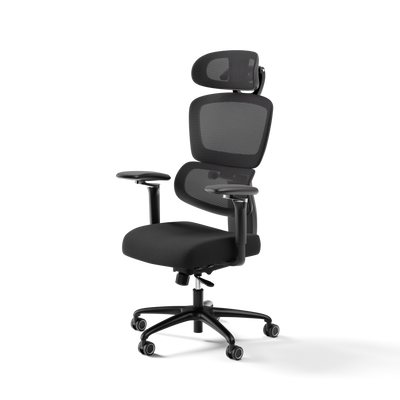
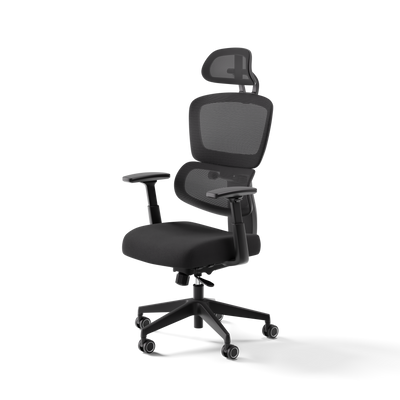
Prevention is the best way to avoid tension. An ergonomic workplace is crucial for this. At Deskspace, you will find height-adjustable desks and ergonomic chairs that help you make a healthy posture a habit. Find the right solution for you now: https://deskspace.de.


